Langodot: Designing Empathy-Driven for Language Educators
Case Study
Sep 24, 2023
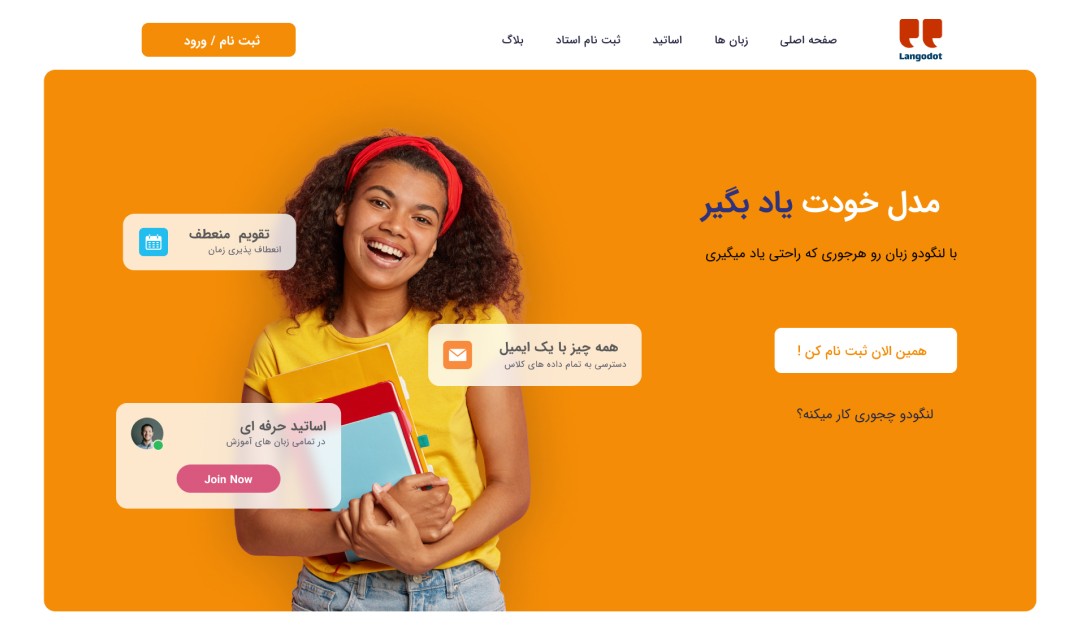
In the ever-evolving landscape of online education, language academies face significant challenges in delivering structured, interactive, and efficient learning experiences. Many existing platforms struggle with fragmented communication, unclear course structures, and technical inefficiencies. Langodot was conceptualized as a comprehensive solution to these challenges, aiming to bridge the gap between educators, students, and administrators.
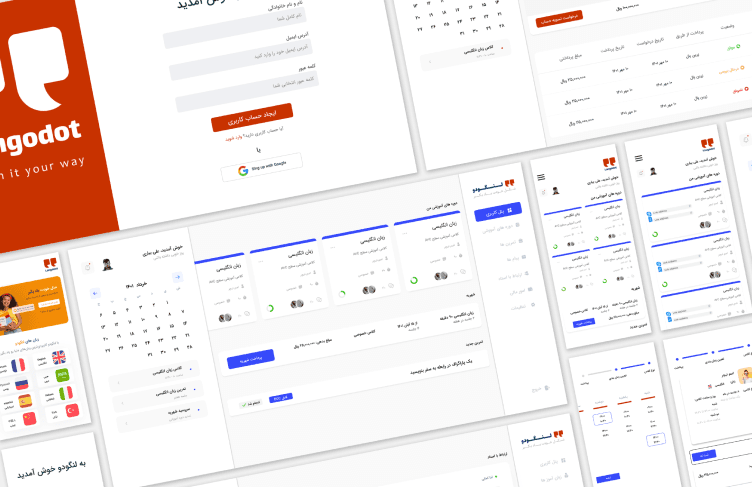
Langodot was designed as an Ed-Tech SaaS platform that would integrate course management, seamless communication, and scheduling tools into a single, user-friendly interface. However, the project remained in the design phase and was never fully developed. Despite this, the design journey provided invaluable insights into the needs of educators and students alike.
Understanding the User
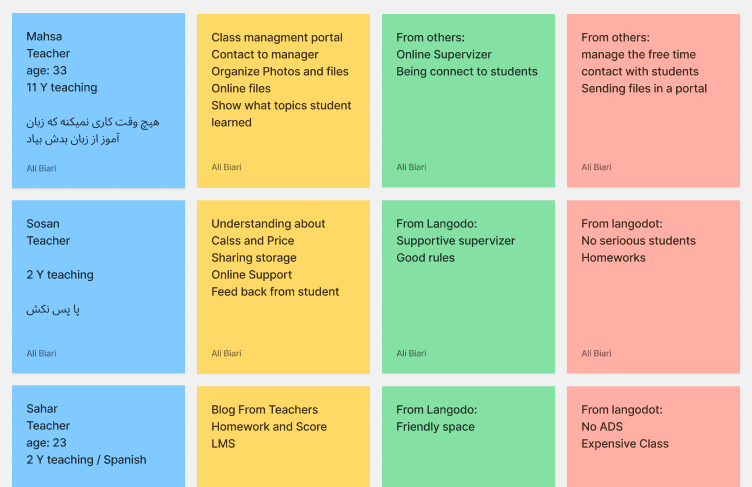
To design a platform that truly addresses real-world needs, the Langodot team conducted qualitative user research, including interviews and empathy mapping exercises. These efforts were focused on educators and students in the language learning space, aiming to uncover their goals, behaviors, frustrations, and unmet needs.
Research Approach
Stakeholder interviews with language instructors and academy administrators
Empathy maps and persona building
Pain point analysis based on current digital learning tools
Key Personas
Teachers: An experienced English teacher in Tehran who teaches online. Her biggest issues include poor scheduling tools, file disorganization, and lack of supervisor contact.
Students: Often feel unsupported, disconnected from instructors, and unable to follow unclear or fragmented course material
Challenges Identified Through User Research
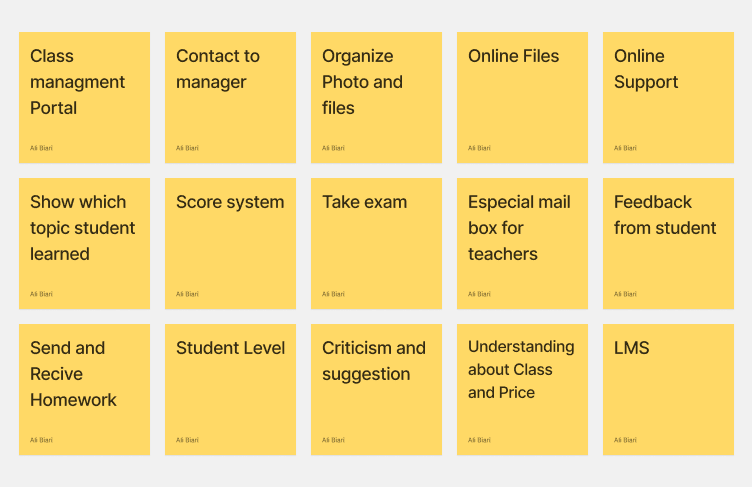
To create a meaningful solution, the Langodot team conducted extensive user research, gathering insights from educators, students, and administrators. The goal was to uncover the most pressing issues in online language learning.
Key Findings from Research:
Lack of Clear Course Structure: Students found existing platforms disorganized, making it difficult to follow lessons.
Communication Barriers: Teachers and students lacked efficient ways to connect with supervisors and administrators.
Technical Issues: Many platforms had file management issues, leading to lost or altered materials.
Scheduling Uncertainty: Sudden cancellations without notice disrupted learning and left students frustrated.
These findings shaped the design vision for Langodot, ensuring that the platform prioritized clarity, communication, and ease of use.
Proposed Solutions
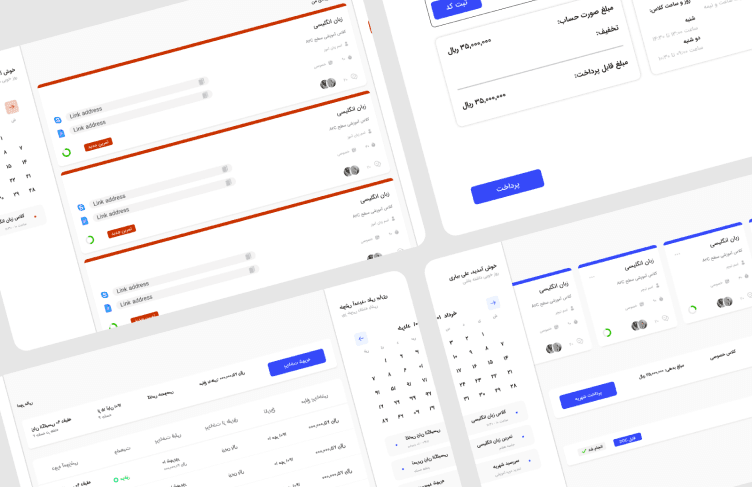
Based on user research, the Langodot team developed solutions that would have significantly improved the online learning experience if implemented.
A Structured Course Management System
Langodot was designed with a structured course management system, organizing content into clearly defined modules with intuitive navigation.
Enhanced Communication Features
A dedicated communication feature was designed to facilitate direct messaging, notifications, and scheduled check-ins between students, teachers, and administrators.
A Robust File Management System
A role-based file management system was designed to prevent accidental modifications and ensure structured access to teaching materials.
Improved Scheduling & Notification System
Langodot integrated automated scheduling tools with real-time notifications and a clear cancellation policy to improve planning and minimize disruptions.
Empathy-Driven Design Process
Information Architecture
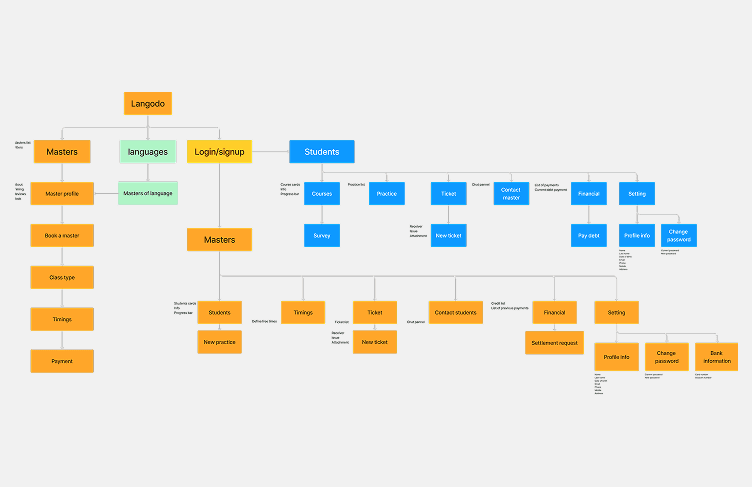
To ensure the platform was simple to navigate and scalable, a clear information architecture was established early in the design phase.
High-Level Structure
The platform was divided into core modules for:
Course Management – organizing and accessing course materials
Scheduling – viewing, booking, and managing classes
Communication – connecting with students, supervisors, and admins
Settings & Profile – managing personal and financial information
This modular structure allowed for focused interaction and reduced cognitive load for users.
Design Ideation & Prototyping
Wireframing & Prototyping
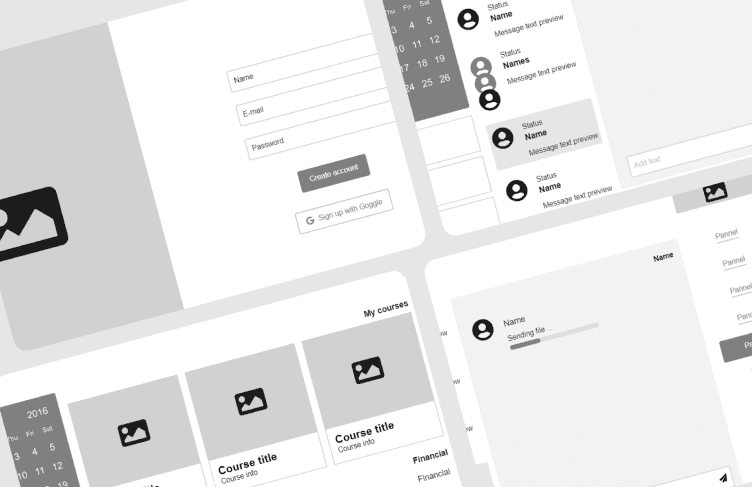
Low-fidelity wireframes mapped out essential user flows, ensuring:
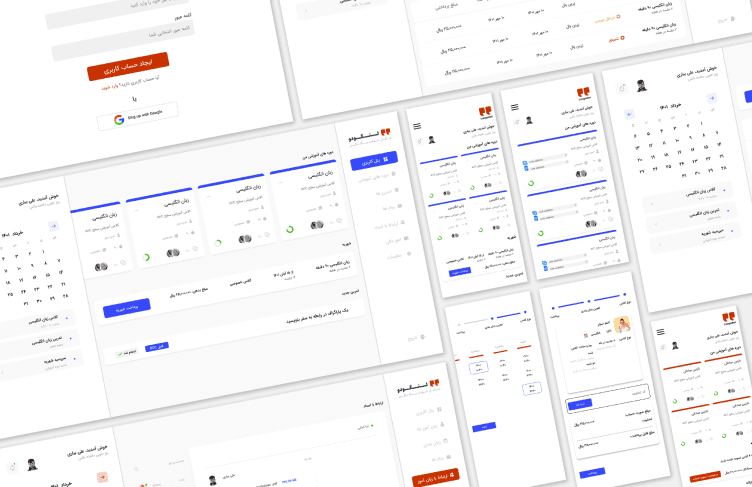
An intuitive dashboard for managing courses and communication.
A seamless way for students and teachers to interact.
Automated notifications to reduce scheduling issues.
Visual & Interaction Design
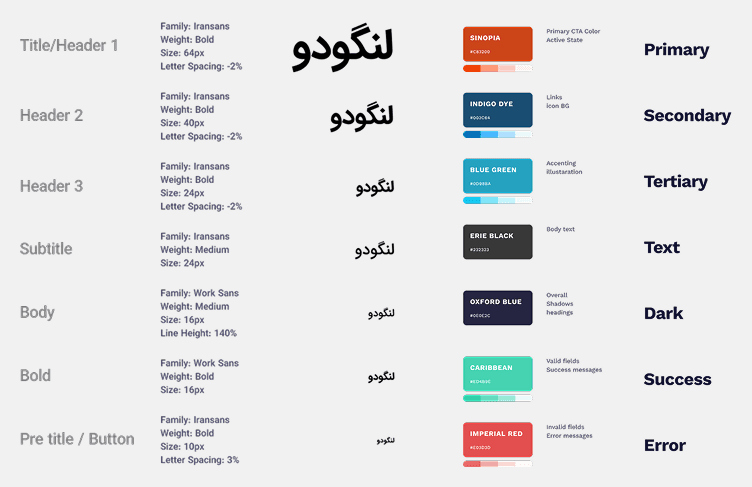
To create a user-friendly experience, the design system emphasized:
Colors: Inspired by the visual brand identity, tones like Orange Sinopia and Blue Indigo dye were selected to create a calm and consistent workspace.
Typography: IranSans web fonts ensured accessibility and clarity.
Micro-interactions: Transitions and hover states helped guide users without overwhelming them.
Why Langodot Was Never Developed?
Despite its promising design, Langodot never moved into the development phase due to:
Resource constraints and funding challenges.
The evolving competitive landscape of Ed-Tech, requiring further validation before investment.
Lessons Learned & Future Opportunities
The process of designing Langodot provided valuable lessons:
Empathy is Key: Deep user research led to solutions that directly addressed real-world pain points.
Concept Validation Matters: Early feedback showed promise, emphasizing the importance of iterative testing.
Challenges of Execution: Transitioning from design to development requires significant strategic planning and investment.
While Langodot remains a concept, its design insights can inspire future Ed-Tech solutions. The need for intuitive, structured, and user-centered online learning platforms is stronger than ever.
Even though Langodot was never built, its design journey underscores the power of human-centered thinking in product development. By understanding real users, crafting thoughtful solutions, and validating ideas early, designers can create impactful digital experiences—whether they make it to market or not.